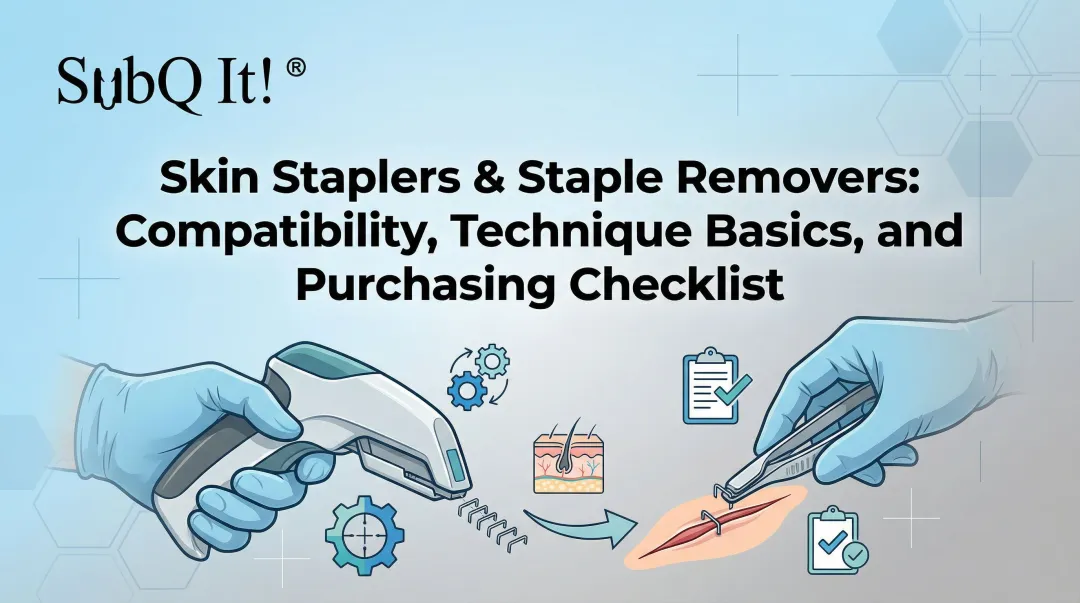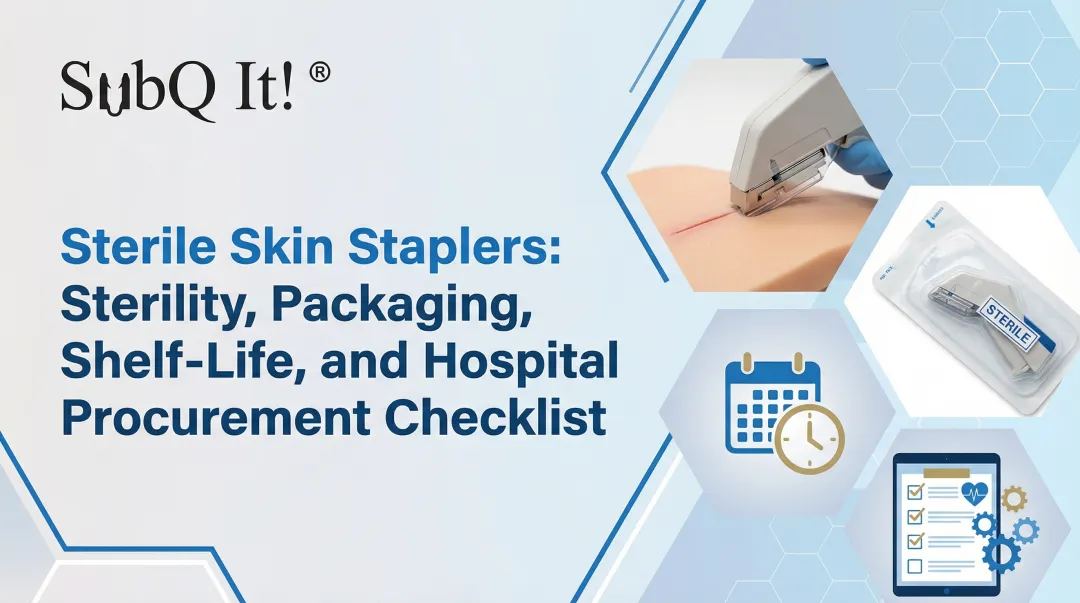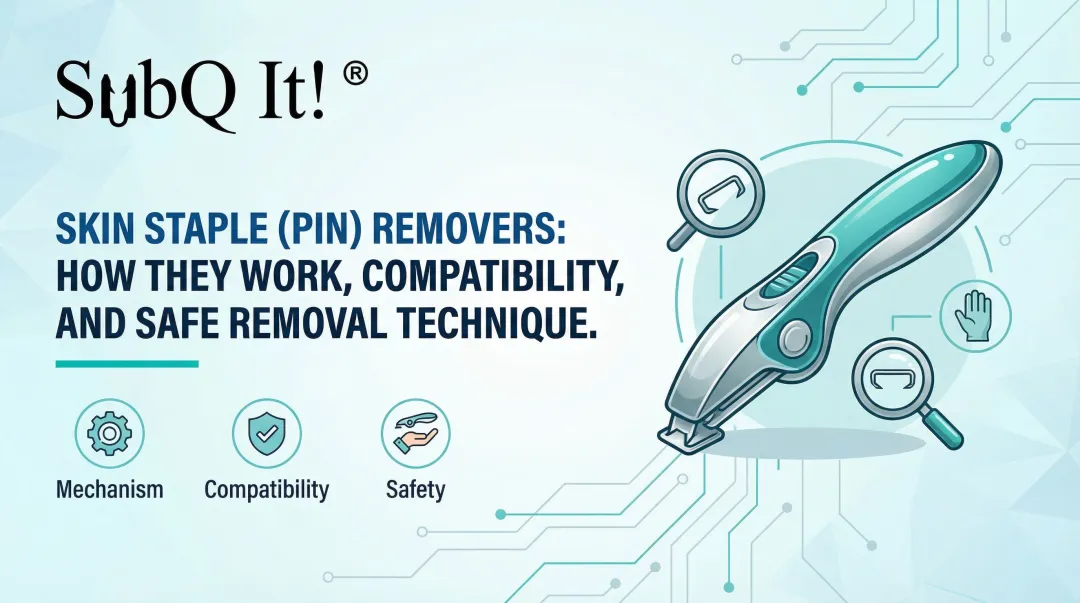

Skin closure with disposable skin stapler kits is routine, yet it directly influences operative time, consistency, and post-operative workflow.
Kit configuration, staple count, and tissue compatibility can affect efficiency and outcomes, particularly in high-volume settings.
In the United States, postoperative surgical site infections cost an estimated $3.5 to $10 billion annually, highlighting the importance of controlled wound-closure practices.
While metal stapler kits offer speed and predictable performance, they require a separate removal step and rely on external hardware during healing.
In this blog, you’ll explore how to analyze skin stapler kit costs in 2026, including device components, compatibility, and factors affecting total procedural and post-operative expenses.
Key Takeaways:
- Most staplers and removers are supplied separately, so inclusion should be verified to avoid gaps during post-operative removal.
- Staple size and configuration should match tissue characteristics and incision requirements for effective closure.
- Aligning stapler types with procedural volume and incision length helps reduce unused inventory and intraoperative disruptions.
- Follow-up removal adds clinical time, scheduling effort, and resource use beyond the initial device cost.
- Selecting the right configuration upfront helps maintain workflow continuity and reduces intraoperative adjustments.
What's Included in a Disposable Skin Stapler Kit?
A disposable skin stapler system typically consists of a single-use, preloaded stapler device containing stainless steel staples, with the staple count varying by model.
Staple count varies across product lines and is generally determined by incision length and procedure type.
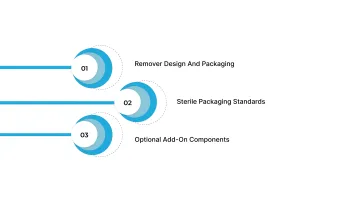
1. Remover Design and Packaging
Staple removers are mechanical instruments used to disengage and extract percutaneous skin staples by deforming them during removal. These devices are available in single-use or reusable formats and are supplied as sterile instruments for clinical use, where required.
Removers may be:
- Packaged as a separate sterile unit
- Or included within a kit, depending on supplier configuration
2. Sterile Packaging Standards
Disposable skin staplers and removers are supplied in individually sealed sterile packaging, typically peel-apart pouches designed for single-use deployment in the operating room.
The manufacturer generally specifies a shelf life, typically several years, when packaging integrity is maintained.
Storage, sterilization methods, and environmental conditions should always be verified in product documentation before stocking decisions are made.
3. Optional Add-On Components
Some suppliers include additional items within stapler kits, depending on packaging configuration:
- Skin closure strips for reinforcement
- Wound markers for incision planning
- Sizing or selection guides
These additions may increase the overall kit cost without improving intraoperative performance. Surgical teams should evaluate whether these components are routinely used in practice before standardizing them within contracts.
Once the kit components are outlined, it becomes easier to assess the compatibility considerations that influence purchasing decisions.
4 Compatibility Factors to Evaluate While Selecting Stapler Kits
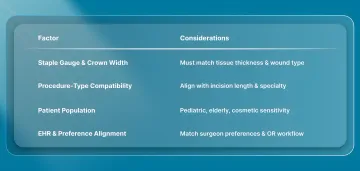
Stapler selection is not interchangeable across cases. Variations in staple dimensions, tissue thickness, and procedural requirements directly affect wound approximation and intraoperative efficiency.
The following variables should be evaluated when standardizing or selecting stapler kits.
1. Staple Gauge and Crown Width
Staple dimensions vary across manufacturers, including differences in crown width and leg length that influence how tissue is approximated.
Using a staple size that does not match tissue thickness or wound characteristics may affect closure quality and cosmetic outcomes.
Selection should be based on tissue characteristics rather than on the assumption that one size fits all procedures.
2. Procedure-Type Compatibility
Stapler selection should reflect the facility’s procedural mix and typical incision lengths. Analyzing historical case data by incision length and specialty helps determine the appropriate mix of stapler configurations.
For longer incisions that typically require high-count staplers or extended manual closure, some facilities also evaluate subcutaneous bioabsorbable systems as an alternative approach.
Systems such as SubQ It! SU-25 is designed for incisions up to 25 cm, placing fasteners beneath the skin surface and removing the need for a separate removal step. It simplifies post-operative workflow in these cases.
3. Patient Population Considerations
Patient-specific factors also influence whether traditional metal staples are appropriate.
- Pediatric patients: Smaller tissue dimensions may require lower-profile closure options
- Patients with compromised skin integrity: Includes elderly patients or those on corticosteroids, where tissue response may vary
- Cosmetically sensitive areas: Areas such as the facial, neck, or reconstructive procedures, where visible staple marks are a concern
For cases where external skin penetration and removal are less desirable, subcuticular bioabsorbable closure systems may be considered an alternative.
4. EHR and Preference Card Alignment
A mismatch between stapler specifications and documented surgeon preferences can disrupt the intraoperative workflow. Inconsistent configurations often result in last-minute substitutions, increasing Operational Room (OR) inefficiency.
To prevent this, facilities should audit preference cards when introducing new stapler systems:
- Ensure surgeon-specific staple counts are documented
- Verify remover compatibility for each stapler SKU (Stock Keeping Unit)
- Confirm that the OR (Operating Room) staff are trained on any new device before adoption
While compatibility is essential, the broader financial impact of traditional stapler kits should not be overlooked.
The Hidden Costs of Traditional Stapler Kits That Are Often Missed
The cost of a skin stapler kit extends beyond the device used during closure. Post-operative requirements, including staple removal and follow-up care, introduce additional clinical and operational costs that are often not accounted for at the point of purchase.
Below are the following factors that highlight where traditional stapler kits add cost beyond the initial unit price.
1. Total Cost of Ownership Beyond Unit Price
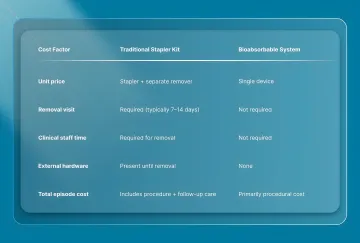
A disposable skin stapler represents only one component of the overall cost of care. When non-absorbable metal staples are used, a follow-up visit is required for removal, typically within 7 to 14 days, depending on wound location and healing progress.
This introduces additional resource utilization beyond the initial procedure, including clinical staff time and facility use.
Common cost considerations include:
- Clinical staff time required for staple removal
- Scheduling and exam room utilization for follow-up visits
- Use of a sterile staple remover device for each patient
- Patient-related factors, such as return visits and associated logistical burden
These costs are not reflected in the initial purchase price of the stapler but contribute to the total episode cost of care.
2. Complication-Related Costs
Complications associated with external metal staples can lead to additional follow-up care and resource use. These may include:
- Delayed removal leading to visible skin marking or “railroad-track” scarring
- Wound separation at staple sites in high-tension areas
- Patient dissatisfaction requires additional clinical evaluation
Clinical guidance emphasizes timely removal to minimize visible skin marks and support appropriate healing timelines.
Improper removal technique or incompatible tools may also increase tissue handling and prolong the removal process.
Additional costs may include:
- Follow-up visits for wound assessment or management
- Additional dressing or wound care interventions
- Increased clinical time per patient
3. The Procurement Calculus Shift
These downstream costs are increasingly being evaluated by value analysis committees when assessing closure methods. Traditional stapler kits concentrate cost at two points: initial placement and later removal.
Bioabsorbable subcuticular closure systems take a different approach by placing fasteners beneath the skin that do not require removal. This removes the need for a follow-up removal visit and associated clinical workflow.
This shifts evaluation from unit price to total cost per patient episode, including post-operative care requirements.
When comparing traditional stapler kits to bioabsorbable alternatives, the cost picture looks like this:
Awareness of these overlooked expenses highlights the need for smarter selection practices.
3 Smart Selection Tips to Choose the Right Skin Stapler Kit

A structured selection approach helps ensure that stapler kits match procedural demand, surgeon preferences, and overall OR efficiency.
Below are practices that can help standardize selection and reduce variability across surgical settings.
1. Conduct a Procedural Volume Audit
Stapler selection should be aligned with actual surgical volume and incision profiles within the facility. Key data points to analyze include:
- Total surgical volume by specialty (general, thoracic, gynecologic, orthopedic)
- Average incision length by procedure type
- Current stapler usage patterns across departments
- Expired or unused inventory from previous cycles
- Expected changes based on new or expanding service lines
2. Pilot New Kit Configurations Before Full Adoption
Before standardizing a new stapler system, facilities should evaluate performance under real operating conditions.
Key evaluation criteria include:
- Device reliability and firing consistency
- Ease of use for both surgeons and support staff
- Compatibility with existing workflow and setup
- Differences between expected and observed closure performance
- Patient experience during staple removal for traditional systems
Pilot testing helps identify potential issues early and supports informed decision-making before full-scale adoption.
3. Evaluating Alternatives in Procurement Decisions
When assessing the total cost of ownership, consider whether the selected closure method introduces additional postoperative requirements.
Bioabsorbable subcuticular systems take a different approach by placing fasteners beneath the skin that do not require removal. This removes the need for a follow-up removal visit and the associated clinical workflow.
Evaluating these differences supports a more complete assessment of cost, efficiency, and patient experience across the full episode of care.
Final Thoughts
Skin closure decisions extend beyond the moment of approximation, influencing how follow-up care is managed, how consistently procedures are performed, and how resources are utilized across cases.
As procedural volume and efficiency expectations increase, closure methods are being evaluated not only for intraoperative speed but for their impact on post-operative workflow.
In this context, systems like SubQ It! SU-25 introduces a subcutaneous, bioabsorbable approach designed for longer incisions, removing the need for external staples and a separate removal step.
Contact the team to learn how SubQ It! SU-25 can integrate into your current workflow and support more consistent closure across procedures.
FAQs
1. What components are standard in a disposable skin stapler kit with a remover?
Standard components include a preloaded stapler body, stainless steel staples, and either an attached or separately packaged single-use remover.
2. Are staple removers from one brand compatible with another brand's stapler?
Cross-brand compatibility is not guaranteed. While some removers are marketed as universal, others are validated only for specific stapler systems. Mismatched designs may affect removal performance and increase the risk of tissue trauma.
3. How do I choose the right staple count for different surgical procedures?
Staple count is typically matched to incision length and procedure type. Higher-count staplers are used for longer incisions, while lower-count options are suited for shorter or minimally invasive closures. Reviewing procedure volume and surgeon preference helps optimize selection.
4. Can disposable skin staplers be resterilized or reused?
No. Disposable skin staplers are single-use devices intended for one patient only. Reuse introduces risks such as contamination and device malfunction.
5. What should a value analysis committee evaluate when comparing stapler kits?
Evaluation should include the total cost of care, clinical performance, ease of use, and workflow impact. Unit price alone does not reflect the overall cost across the procedure and follow-up.
6. What are the alternatives to traditional metal skin staplers?
Alternatives include bioabsorbable subcuticular closure systems, which place fasteners beneath the skin surface and eliminate the need for removal. Their suitability depends on the procedure, incision characteristics, and clinical preference.