Closure devices form an essential part of every surgical budget. Across hundreds of cases per year, the cost of sutures, staples, and adhesives adds up, and most practices never compare what they're paying against what's available.
The surgical sutures market reached $5.12 billion in 2025 and is estimated to reach $8.01 billion by 2035. That growth reflects an expanding product market, one that now includes closure categories many surgeons haven't evaluated.
This post covers what medical sutures are, where surgeons source them, and which newer closure categories are worth adding to your procurement in 2026.
Key Takeaways
- Surgeons buy sutures through four main channels: medical distributors, group purchasing organizations (GPOs), manufacturer-direct, and online surgical supply retailers.
- The top three GPOs control over 75% of hospital purchasing volume, which can limit what closure products are available through institutional contracts.
- Absorbable products now represent 56% of the global surgical suture market share, reflecting a shift toward closure options that don't require removal.
- Bioabsorbable subcutaneous fasteners are a newer closure category that many surgeons haven't sourced yet, available through manufacturer-direct purchasing.
- Private practices have more procurement flexibility than hospital-based surgeons, who typically source through GPO contracts and committee approvals.
What Are Medical Sutures?
Medical sutures are sterile threads used to hold tissue together after a surgical incision or wound. They're one of the oldest and most widely used closure tools in surgery, and they remain the default option in most OR supply rooms.
Sutures fall into two broad groups:
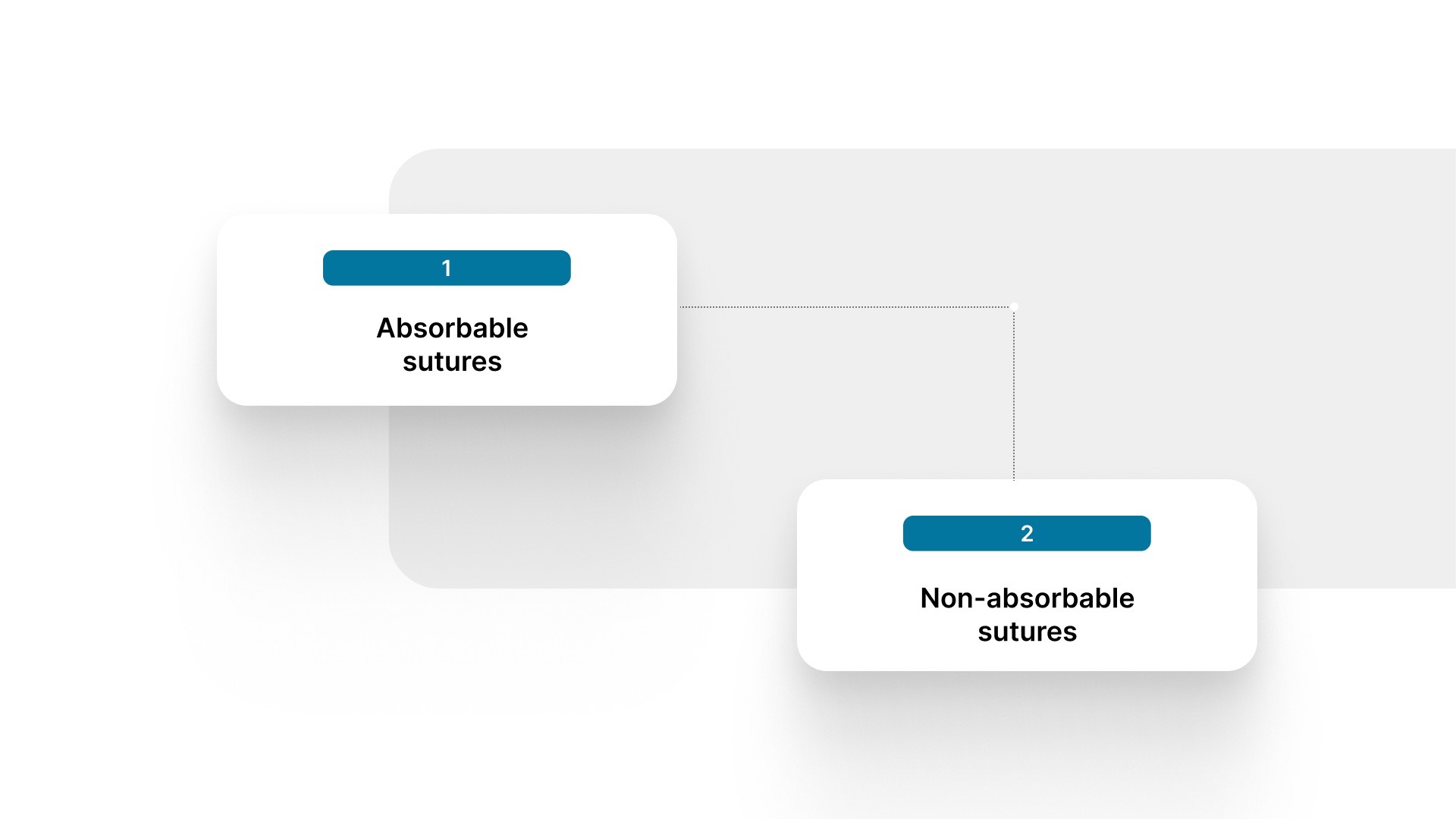
- Absorbable sutures (like polyglactin and poliglecaprone) break down naturally in the body and don't require a removal visit.
- Non-absorbable sutures (like nylon and polypropylene) stay intact until a clinician removes them, typically within 7 to 14 days.
Sutures aren't the only wound closure option available today, though. The market now includes metal skin staples, tissue adhesives, adhesive strips, and bioabsorbable subcutaneous fasteners. Each has its own sourcing pathway and clinical profile.
Where Do Surgeons Buy Sutures and Wound Closure Devices?
Most surgeons source sutures through either medical distributors, group purchasing organizations, manufacturer-direct sales, or online surgical supply retailers. Each channel has a pricing structure, product range, and buyer profile that affects what closure devices you can actually access.
Medical Distributors
National and regional medical distributors are the most common sourcing channel for surgical practices. Companies like Medline, McKesson, and Cardinal Health carry broad catalogs of sutures, metal staples, and wound closure devices across categories.
Distributors offer consolidated ordering, scheduled deliveries, and volume pricing. The tradeoff is that their product selection reflects what manufacturers have placed into distribution, which doesn't always include newer or specialty categories.
Group Purchasing Organizations (GPOs)
GPOs negotiate pricing on behalf of member hospitals and health systems. A peer-reviewed study found that the three largest GPOs by purchasing volume (Vizient, HealthTrust, and Premier) together represent over 75% of the hospital GPO market.
For hospital-based surgeons, GPO contracts often dictate which suture brands and closure devices are available at discounted pricing. GPO catalogs favor high-volume, established products. Newer closure categories, particularly bioabsorbable subcutaneous options, may not appear on a GPO contract until demand is well established.
Manufacturer-Direct Purchasing
Some closure device manufacturers sell directly to practices, bypassing distributor and GPO markups. This channel is most relevant for specialty devices and newer product categories that haven't yet entered broad distribution.
Private-practice surgeons, who control their own purchasing, are the primary buyers through manufacturer-direct channels. It's also the fastest path to accessing bioabsorbable suture devices and other closure products that standard distributors may not yet carry.
Online Surgical Supply Retailers
Online suppliers like AD Surgical, Mountainside Medical, and Synergy Surgical offer sutures, staples, and closure accessories for direct purchase. These retailers typically serve smaller practices, outpatient centers, and individual purchasers who need specific products without a distributor contract.
Pricing is transparent, and minimum order quantities are often lower than distributor channels. The product range tends to focus on traditional sutures and metal staples rather than newer closure categories.
What Types of Wound Closure Products Can You Source?
The wound closure market includes five primary product categories: traditional sutures, metal skin staples, tissue adhesives, adhesive strips, and bioabsorbable subcutaneous fasteners. Each one has a sourcing pathway and a clinical profile that affects your practice.
Here’s a quick comparison of the core categories side by side:
| Category | Placement | Removal Required | Scarring Profile | Incision Range |
|---|---|---|---|---|
| Absorbable Sutures | Subcuticular or deep tissue | No | Minimal surface scarring | All sizes |
| Non-Absorbable Sutures | Skin surface or deep tissue | Yes (7-14 days) | Possible suture marks | All sizes |
| Metal Skin Staples | Skin surface | Yes (7-10 days) | Railroad-track scars | Medium to long |
| Tissue Adhesives | Skin surface (topical) | No | Minimal | Short, low-tension |
| Bioabsorbable Subcutaneous Fasteners | Under the skin (subcutaneous) | No (dissolve naturally) | Incision line only | Small laparoscopic to 25 cm |
Traditional absorbable sutures like polyglactin and poliglecaprone are widely available through every sourcing channel. Non-absorbable options like nylon and polypropylene require a removal visit and are sourced through the same distributors and GPOs.
Absorbable products now account for 56% of the global surgical suture market share.
Metal skin staples close incisions faster than hand-sewn sutures, but they pierce the skin surface and require removal in 7 to 10 days. A systematic review of 42 randomized controlled trials involving 11,067 patients found that metal staples were associated with a 7.3% adverse event rate compared to 3.5% for sutures.
Tissue adhesives (cyanoacrylate-based) are a topical option for short, low-tension wounds. Adhesive skin closure products are sourced through the same distributor and GPO channels as sutures, but aren't suitable for longer or deeper incisions.
Bioabsorbable subcutaneous fasteners are the newest option. These are placed under the skin during closure and dissolve naturally, leaving no surface marks and requiring no removal visit. SubQ It! is a bioabsorbable wound closure system in this category, available in two variants:
- SubQ It! SU-10: 10 fasteners, closes incisions up to 10 cm. Designed for small and laparoscopic incisions.
- SubQ It! SU-25: 25 fasteners, closes incisions up to 25 cm. Designed for longer incisions in open surgery, plastic surgery, and OB-GYN cases.
This category is typically sourced manufacturer-direct.
What Should You Look for When Choosing a Suture Supplier?
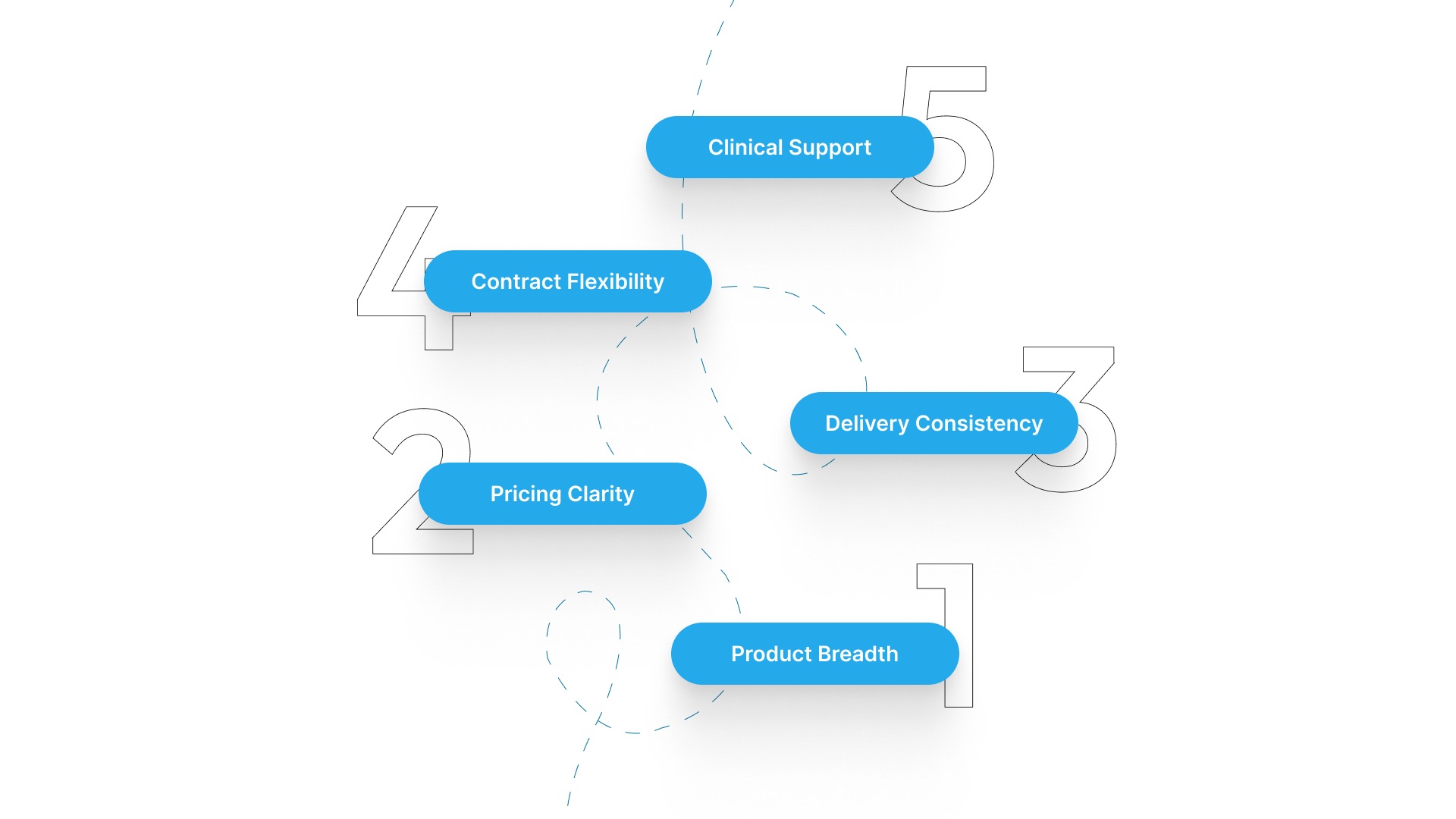
Reliability, product range, and pricing transparency matter most. The right supplier carries the closure categories you need, delivers consistently, and doesn't lock you into a catalog that reflects last decade's options.
Product Breadth
Does the supplier carry products across all five closure categories (absorbable sutures, non-absorbable sutures, metal staples, adhesives, bioabsorbable subcutaneous fasteners)? A supplier with a narrow catalog may not surface newer options that could improve your closure workflow.
Pricing Clarity
Are per-unit costs visible before ordering, or buried behind quote requests? Transparent pricing is more common with online retailers and manufacturer-direct channels than with GPO contracts.
Delivery Consistency
For high-volume practices, supply interruptions disrupt scheduling. Confirm lead times and backorder policies upfront, especially for closure products you use in every case.
Contract Flexibility
GPO contracts often require purchasing minimums or lock in specific brands. Private practices benefit from suppliers that don't impose long-term commitments and allow you to test newer products without a contract change.
Clinical Support
Some manufacturers provide in-service training for new closure devices. If you're evaluating a product category you haven't used before, clinical support shortens the learning curve.
SubQ It! is one example of a manufacturer-direct wound closure system with dedicated clinical support.
If your current supplier only carries traditional sutures and metal staples, you're making procurement decisions based on limited options.
How Does Sourcing Differ for Private Practices vs. Hospitals?
Private-practice surgeons typically control their own purchasing decisions. Hospital-based surgeons source through GPO contracts and committee approvals, a process that moves more slowly and limits which products appear on the shelf.
Private Practice Procurement
Private practices buy directly from distributors, online suppliers, or manufacturers. There's no committee between the surgeon and the purchase order, which means faster access to newer closure categories, including bioabsorbable subcutaneous fasteners.
For a private plastic surgery practice, purchasing flexibility is especially relevant. Time saved per closure translates directly into additional case capacity each day. Sourcing a faster closure device is a procurement decision that pays for itself.
Hospital and ASC Procurement
Hospital purchasing runs through GPOs and value analysis committees. Surgeons who want to use a closure device outside the GPO contract often need to submit a clinical justification and wait for committee review. For skin staplers and newer subcutaneous closure options, this can add weeks or months to the adoption timeline.
If you're in private practice, you can evaluate and adopt newer closure products immediately. If you're hospital-based, starting the value analysis process early ensures your preferred closure devices are available when you need them.
Are Bioabsorbable Wound Closure Options Available Through Standard Suppliers?
Most standard distributors and GPO catalogs don't yet carry bioabsorbable subcutaneous fasteners. This category is still early enough in its adoption curve that sourcing is primarily manufacturer-direct.
In bioabsorbable subcutaneous closures, fasteners are placed under the skin during the procedure and dissolve naturally over time. There's no removal appointment, no railroad-track scarring from surface-level punctures, and no follow-up scheduling burden on your practice.
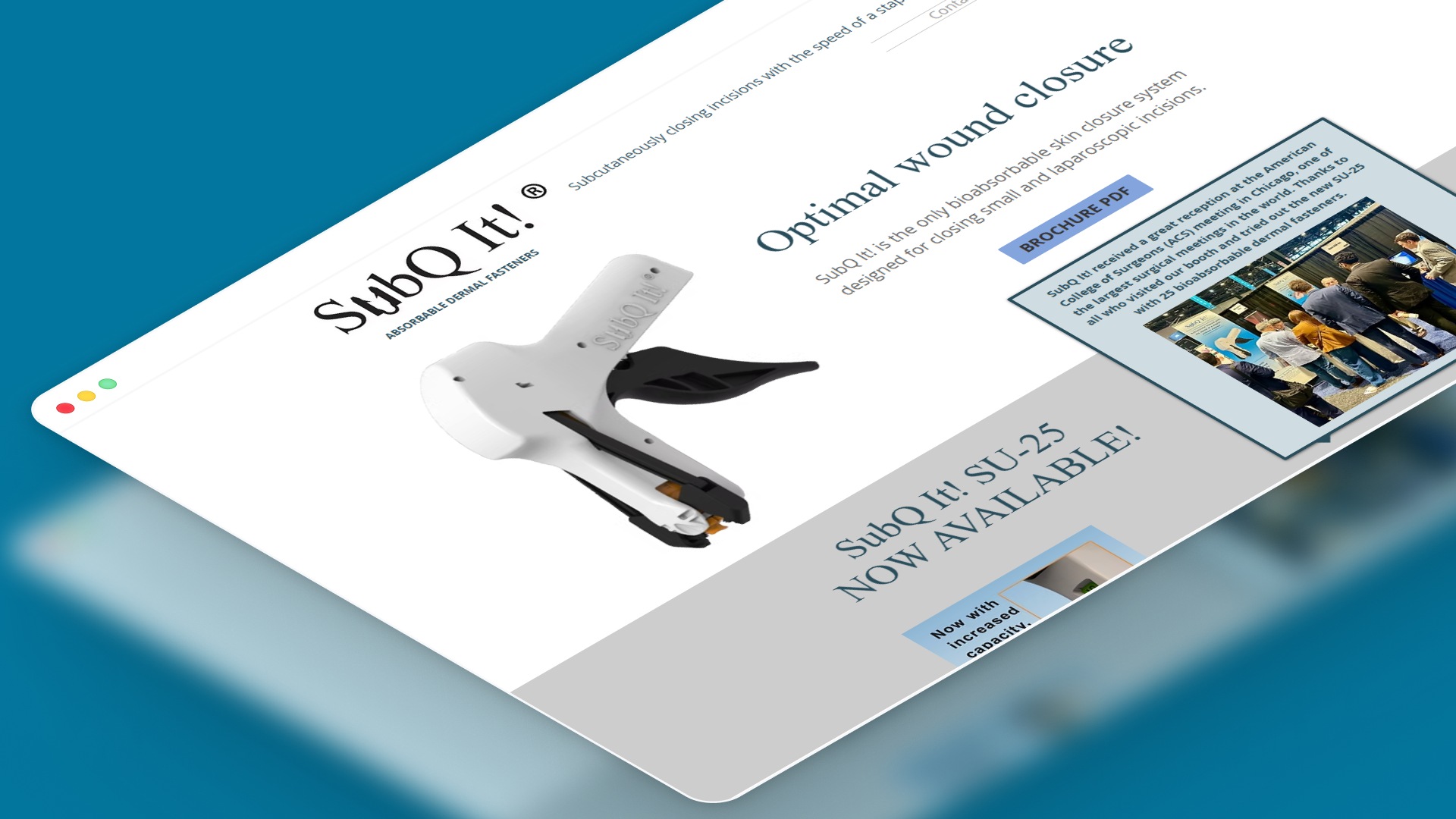
The category also covers a wider incision range than many surgeons expect. SubQ It! SU-10 handles incisions up to 10 cm, including very small laparoscopic trocar sites where surface-applied closure devices can't operate. SubQ It! SU-25 handles incisions up to 25 cm, making it relevant for open and plastic surgery cases.
Independent data support the clinical case for this category. In a retrospective study of 4,311 mastectomy patients, skin closure with an absorbable subcuticular stapler averaged 16.2 ± 10.1 minutes compared to 36.5 ± 29.0 minutes for hand-sewn suture closure. Surgical site infection rates were comparable between the two groups (0.38% vs. 0.36%).
A separate meta-analysis of abdominal surgery trials involving 3,705 patients found that subcuticular closure produced better cosmetic outcomes and patient satisfaction scores compared to metal staples, with no significant difference in surgical site infection rates.
Final Thoughts
Where you buy sutures determines what closure options are available to your practice. Most sourcing channels still center on traditional sutures and metal staples, which means surgeons who rely on a single distributor or GPO catalog may never encounter newer categories that reduce closure time, scarring, and follow-up visits.
Reviewing your procurement options is worth the effort, especially if you're in private practice and control your own purchasing. Comparing closure devices by total cost (per-unit price, follow-up burden, and time per closure) rather than sticker price alone gives you a more complete picture of what each product costs per case.
SubQ It! is a bioabsorbable wound closure system that places dissolving subcutaneous (under the skin) fasteners to close incisions from small laparoscopic trocar sites up to 25 cm, with no removal visit and no railroad-track scars. Contact us today to request a custom quote.
FAQs
1. Can Individual Surgeons Order Sutures Directly From Manufacturers?
Yes, many suture and closure device manufacturers accept orders directly from individual surgeons and private practices. This channel is especially common for specialty devices and newer product categories that haven't entered broad distribution yet.
2. Do Suture Prices Change Between Online Retailers and Distributors?
Yes, pricing varies by channel. Online retailers often list per-unit prices transparently, while distributor and GPO pricing depends on contract terms, purchasing volume, and negotiated discounts.
3. Can You Buy Sutures Without a Medical License?
Yes, practice and training sutures are available to the general public through online retailers. Medical-grade sutures intended for clinical use are typically sold to licensed providers or accredited facilities.
4. What Is the Minimum Order Size for Most Surgical Suppliers?
Minimum order requirements vary by supplier. Online retailers often sell individual boxes or kits with no minimum. Distributors and manufacturers may require higher minimums or offer volume discounts for larger orders.
5. Are There Subscription or Auto-Replenishment Options for Closure Devices?
Some distributors and online retailers offer auto-replenishment scheduling for frequently ordered products. This is most common for high-volume items like standard sutures and metal staples.
6. What Closure Products Work on Smaller Incisions?
Small incisions can be closed with absorbable sutures, tissue adhesives, adhesive strips, or bioabsorbable subcutaneous fasteners designed for small and laparoscopic incision sizes. Metal skin staples generally require a longer incision to operate effectively.